Is IPTV Legal in the UK and Europe? Crackdowns, Freeview & the Law (2026)
UK and EU IPTV legality in 2026: what the crackdowns actually target, how Freeview fits in, and how to choose a provider that keeps you on the right side of the law.
The 2025-2026 European IPTV enforcement wave — the Europol operations, the ISP blocking in France, Italy, and Poland, and the sustained pressure on premium sports redistribution — has made "is IPTV legal in the UK" and "iptv europe crackdown" some of the highest-anxiety searches in the UK and EU markets. The answer, as with German law, is not a simple yes or no: it depends on where the content in the stream comes from, and who you are buying it from. NANO IPTV is a licensed provider, and understanding the legal landscape in 2026 is the first step to choosing a service that keeps you clear of it.
What the European crackdowns actually target
The 2025-2026 enforcement actions — coordinated by Europol, national police, and in some cases ISP-level blocking orders in France, Italy, and Poland — are aimed at one thing: unlicensed redistribution of premium sports and pay-TV content. The operation targets the infrastructure: the servers that carry pirated feeds, the payment processors that collect subscription fees for unlicensed content, and the operations that resell those feeds to end users.
What the crackdowns do not target:
- Licensed IPTV services — providers that hold the transmission rights for the content they distribute. These are operating within the legal framework and are not the subject of enforcement action.
- Free-to-air content — the channels that national broadcasters publish for free (BBC, ARD, ZDF, RTP, RTVE, and so on). These are available to anyone and their redistribution through an IPTV player does not create a copyright issue in the same way.
- Official broadcaster streams — the same content that a national broadcaster publishes for its own free-to-air service. Watching it through an IPTV player is not an infringement.
- Expat and international content — channels from your home country that are not available in your current location, where the provider has the rights to carry them.
The UK legal position: Freeview as the baseline
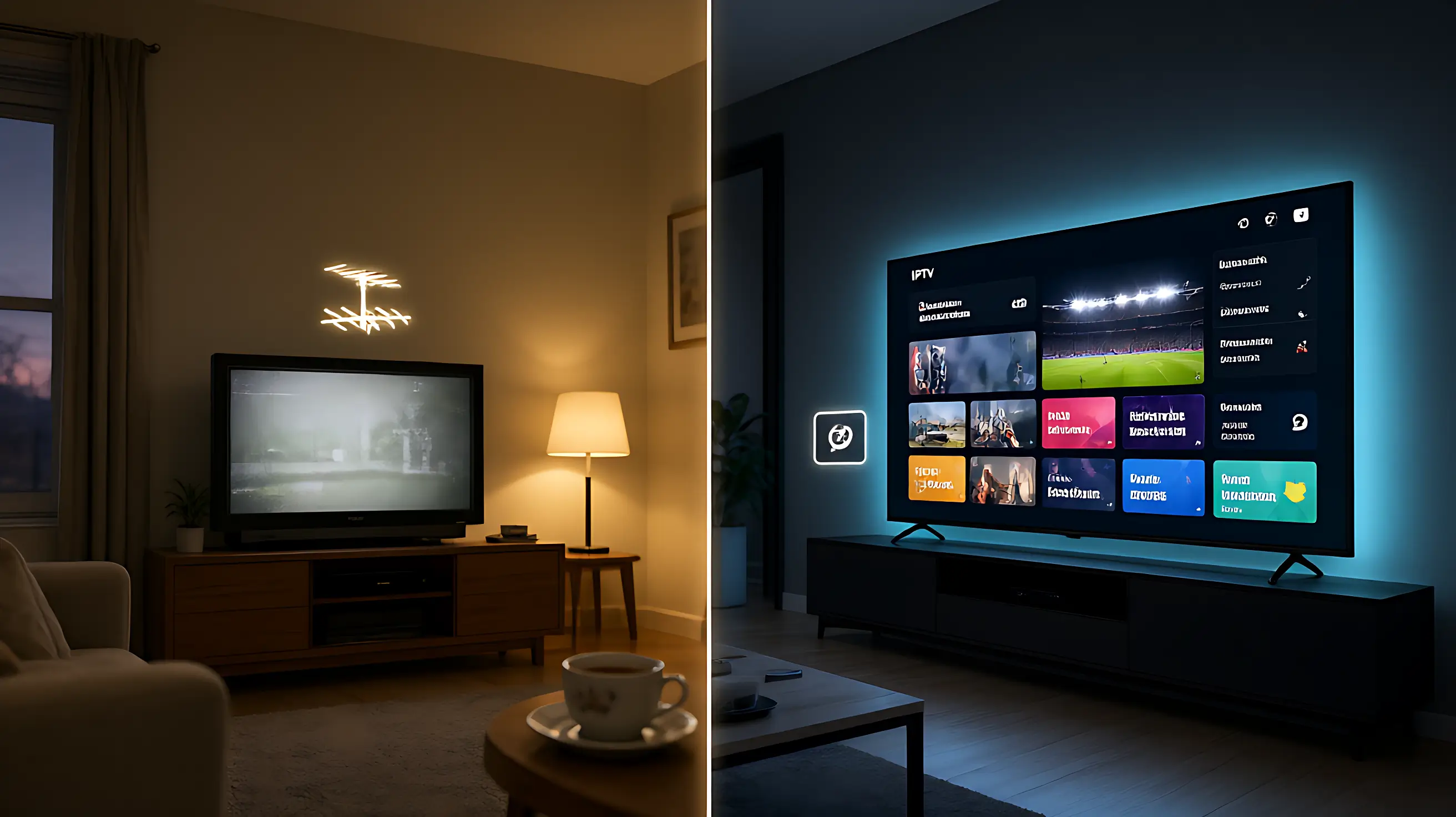
In the UK, the legal baseline is Freeview: the free-to-air platform that carries BBC, ITV, Channel 4, Channel 5, S4C, and a limited selection of other channels at no cost. Freeview is unambiguously legal — it is the broadcast signal, received by aerial, and the channels are free by design.
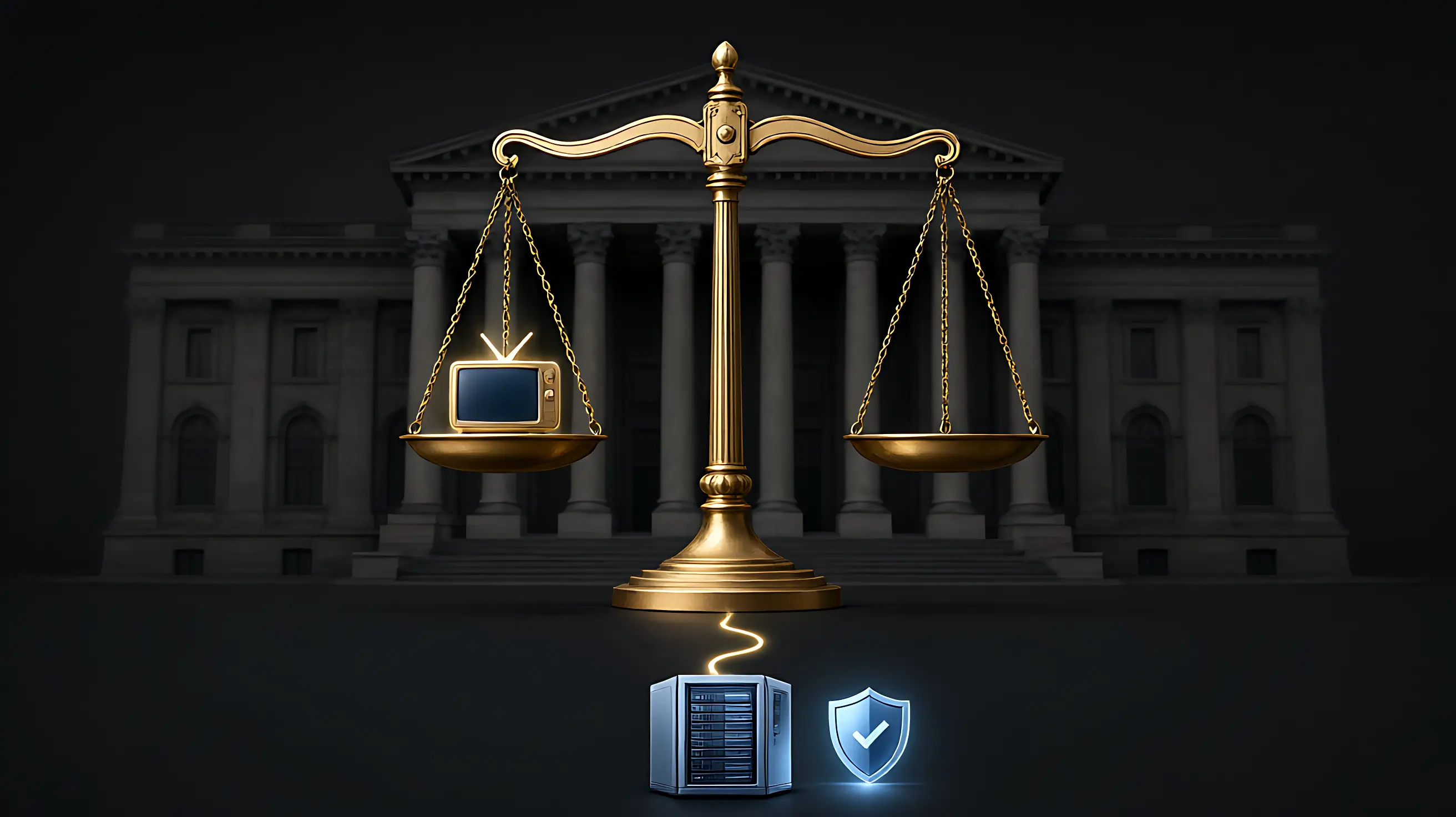
IPTV in the UK is legal when the provider holds the rights to distribute the content it sells. The UK does not have a specific "IPTV law" the way some countries have specific IPTV regulations; it is governed by the Copyright, Designs and Patents Act 1988 and the same copyright framework that applies to all content distribution. The question is always: does the provider have the licence?
For UK sports fans, this is the practical test. The UK sports landscape in 2026 is fragmented across Sky Sports, TNT Sports, Amazon, and DAZN — each holding different Premier League, Champions League, F1, and other rights. A licensed IPTV provider that carries those channels is operating within the rights chain. A provider that offers the full Sky Sports + TNT Sports + DAZN package for $5/month when the official combined cost is well over £80/month is almost certainly not licensed, and that is the model the enforcement actions target.
The EU position: ISP blocking and what it means for users
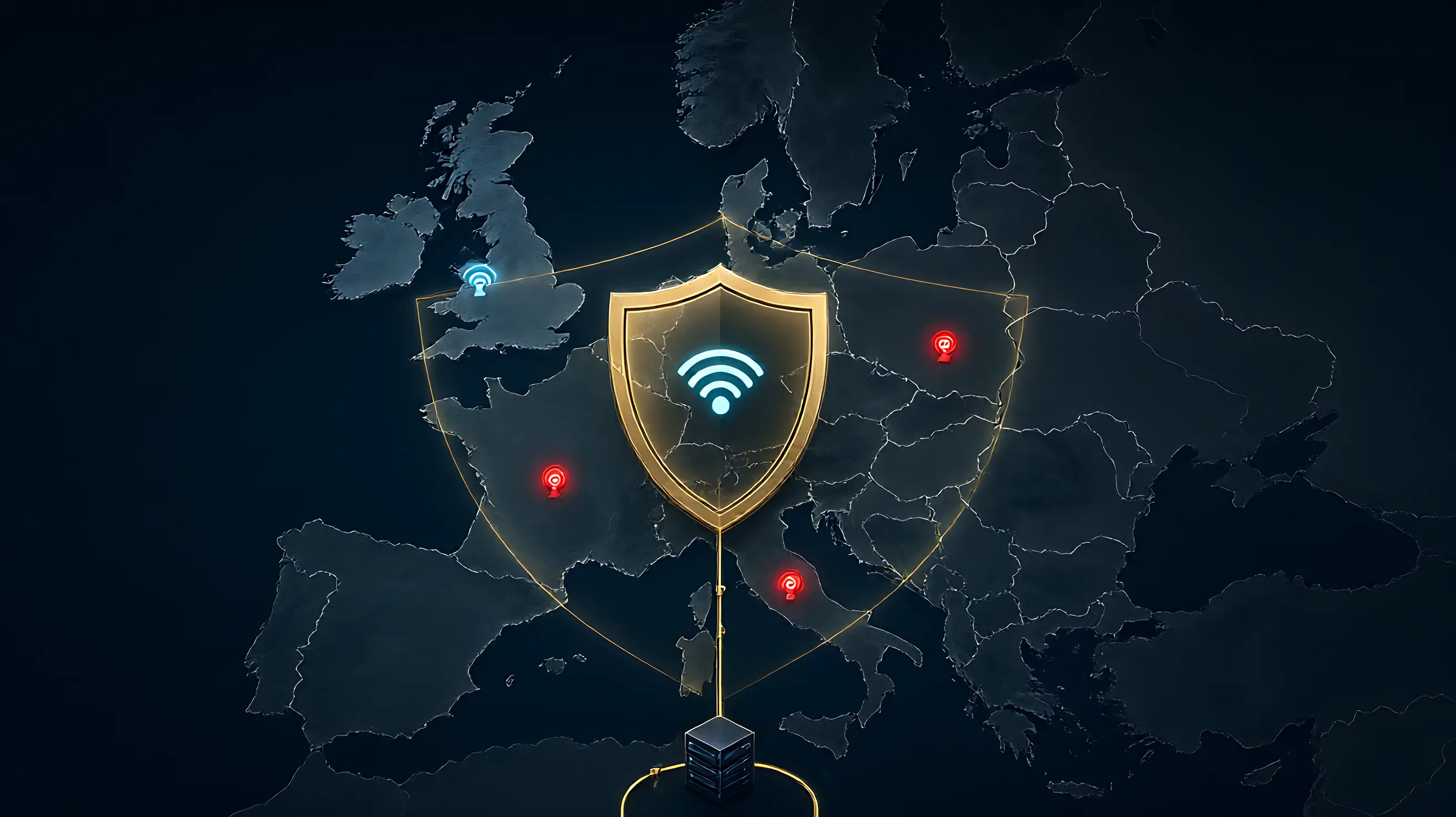
France, Italy, and Poland have all used ISP-level blocking to prevent access to known pirated IPTV domains. The blocking is directed at the domains of specific unlicensed operations — not at the general technology of IPTV, and not at licensed services. If your IPTV provider’s domain is not on a blocking list, the ISP-level enforcement does not apply to your service.
The practical implication: a licensed provider that is not the target of a specific blocking order is not affected by the ISP-level enforcement. The blocking is a tool against piracy infrastructure, not against the viewing experience of a legitimate subscriber. The "iptv europe crackdown" searches in 2026 reflect this: users in France, Italy, and Poland who rely on licensed IPTV are not the target of the ISP blocking, which is directed at specific unlicensed domains.
Where the "iptv uk legal reddit" anxiety comes from
The UK IPTV community on Reddit and other forums is full of contradictory claims: "it’s all legal as long as you don’t redistribute," "the police are coming for everyone," "it’s a grey area so you can’t get in trouble." None of these are accurate. The legal position is the same as in Germany and across the EU: the law targets the source, the enforcement follows the money, and the user’s position is cleanest when they are a customer of a licensed provider.
The "iptv uk legal reddit" searches in 2026 are driven by the fact that the enforcement wave has made the question visible in a way it was not before. The answer is not that IPTV is now illegal in the UK — it never was, for a licensed provider — but that the distinction between licensed and unlicensed is now more visible and more actively enforced.
What a licensed provider looks like — a checklist
Before you subscribe to any IPTV service in the UK, EU, or anywhere else, run these checks:
- Named business, published legal address. NANO IPTV AB is registered in Stockholm, Sweden. The legal and support contacts are on the website. A piracy ring has no legal address to publish.
- The price is not a fraction of the official cost. If the full sports package is offered at a price that makes the official cost look unreasonable, the content is not licensed. The price is the signal.
- There is a support channel that actually answers. Legitimate services have real support. Piracy operations disappear when their infrastructure is seized; there is no one to call.
- The device model is transparent. A one-device subscription with additional devices at a published reduced rate is a legitimate business model. A "share this key with 50 people" model is not.
- They can describe where the content comes from. A licensed provider can tell you the rights chain. A piracy operation deflects with "all channels, no questions."
How Freeview and NANO IPTV work together in the UK
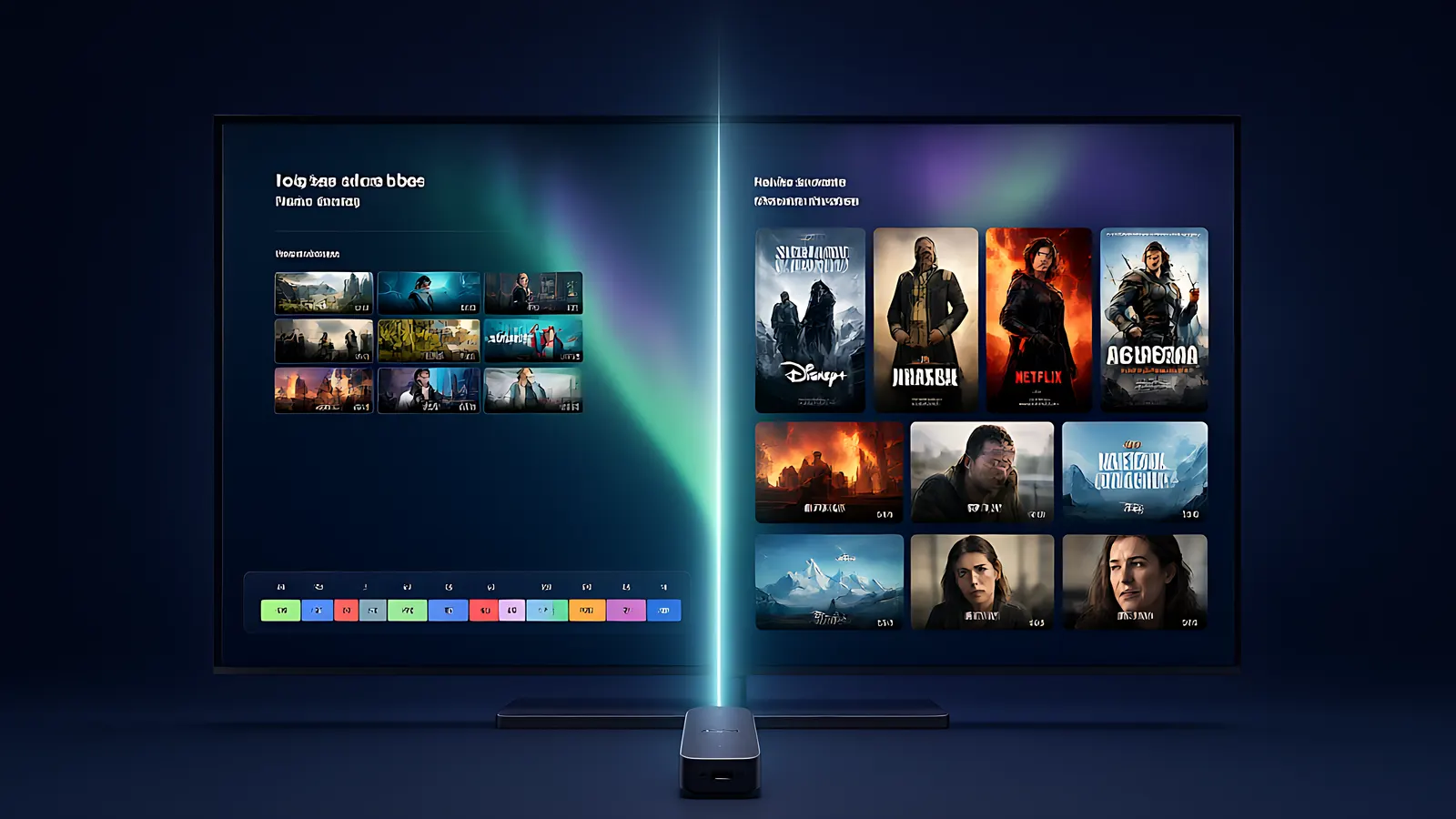
For most UK households, the practical answer is not "Freeview or IPTV" but "Freeview and IPTV." Freeview covers the national channels at no cost. NANO IPTV covers the sports PPV, the international channels, and the VOD library that Freeview cannot. The two are layers, not substitutes. The only constraint is bandwidth — a 1080p stream needs 5-8 Mb/s sustained; check your connection on the streaming device, not on your phone.
For the full cost comparison between Freeview and NANO IPTV, see our IPTV vs Freeview UK guide. For the German-market version of this same legal framework, see our German IPTV legal explainer.
What the 24-hour trial actually tells you
The trial is the only way to verify that the service is real, that the channels you care about are in the current line-up, and that your connection handles the stream quality you want. No provider can guarantee that a specific channel is in the line-up without you checking it during the trial — the channel list changes as rights agreements are renewed and new content is added. The trial is free, requires no card, and runs on the full line-up.
If you are in the UK, the EU, or the Nordics and you want to watch sports, international channels, or a VOD library through IPTV without the legal uncertainty, the 24-hour trial is the entry point. No commitment, no card, and the support channel answers in hours.
Frequently asked questions
Is it legal to watch IPTV in the UK?
Yes, when the provider holds the rights to distribute the content. The UK Copyright, Designs and Patents Act 1988 governs content distribution; there is no separate IPTV law. The enforcement actions target unlicensed redistribution, not licensed services. Freeview remains the free-to-air baseline; IPTV adds the sports, international, and VOD layers that Freeview cannot carry.
Will the ISP blocking in France, Italy, and Poland affect me in the UK?
No. ISP-level blocking is directed at specific domains of unlicensed operations, not at the technology of IPTV or at licensed services. If your provider’s domain is not on a blocking list, the enforcement does not apply to your subscription. The blocking is a tool against piracy infrastructure.
What is the difference between a licensed IPTV provider and a piracy operation?
A licensed provider holds the transmission rights for the content it distributes, has a published legal address, a real support channel, and a price that reflects the actual cost of the content. A piracy operation offers the same content at a fraction of the official price, has no legal address to publish, and disappears when its infrastructure is seized. The price and the support channel are the two most reliable signals.
Does NANO IPTV operate in the UK and EU?
Yes. NANO IPTV is a licensed provider serving the EU and Nordic markets, accessible from the UK and all EU member states. The subscription is a one-time payment, activation is immediate, and support is available via WhatsApp. The 24-hour trial requires no payment and no card.
Should I keep Freeview if I get NANO IPTV?
Not necessarily. NANO IPTV’s channel line-up includes the major UK national channels, so Freeview’s core coverage is included. Keep Freeview if you rely on specific regional channels or if your connection is too slow for the NANO stream quality you want — the two can run in parallel at no extra cost.
The NANO IPTV engineering team collectively authors guides on EPG, VOD, catch-up, and streaming infrastructure. Based across Stockholm, Lisbon, and Almaty. We write the documentation we wish we had when we started building this platform.